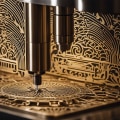
In the world of laser engraving, the choice of materials can significantly influence the final outcome, making it essential to understand the versatility of materials for laser engravingversatility of materials for laser engraving. From wood to glass, and metal to acrylic, each material offers unique characteristics and challenges that can enhance or limit the engraving process. As technology advances, the ability to customize and personalize items using laser engraving has become more accessible, leading to a surge in creative applications across various industries. This article delves into the myriad options available for laser engraving, exploring how different materials can be manipulated to achieve stunning results. Whether you are an artist seeking innovative mediums or a business owner looking to expand your product line, understanding these materials is crucial.
Join us as we uncover the benefits and possibilities presented by diverse substrates in the realm of laser engraving. Laser engraving is a modern technique that has transformed the way we personalize and customize various items. With its ability to achieve high precision and intricate designs, it offers numerous advantages over traditional engraving methods, such as faster processing times and the ability to work with a diverse range of materials. The versatility of materials for laser engraving plays a crucial role in maximizing the quality and effectiveness of the engravings produced. Understanding the properties, benefits, and challenges of different materials can significantly enhance the outcomes of your projects. One of the most popular materials used in laser engraving is wood.
Wood is favored for its natural beauty and warmth, which can add a unique touch to any engraved item. It comes in various types, such as birch, maple, and walnut, each with distinct grain patterns and colors. The benefits of using wood include its easy workability and the ability to create deep engravings that highlight the texture of the material. However, challenges may arise when working with softer woods, which can burn more easily during the engraving process.
Recommended settings for laser engraving wood typically involve lower speeds and higher power settings to achieve clean results without excessive charring. Applications for wood engraving include personalized gifts like cutting boards, coasters, and photo frames. Another widely used material is metal, known for its durability and strength. Metals such as stainless steel, aluminum, and brass are commonly engraved due to their ability to withstand harsh conditions. The benefits of metal engraving include long-lasting results that do not fade over time.
However, metals can be challenging to engrave because they require specific settings to avoid damage or incomplete engravings. For metal engraving, higher power settings and slower speeds are often recommended to ensure precision. Common applications include industrial parts labeling, promotional items like pens and keychains, and even jewelry personalization.
Acrylic
is another versatile material that has gained popularity in laser engraving due to its vibrant colors and transparency options. Acrylic can mimic glass while being lighter and less fragile, making it an excellent choice for decorative items.The benefits of acrylic include ease of cutting and engraving, producing a polished edge when processed correctly. However, it can melt if the laser settings are too high. Beginners should start with lower power settings and higher speeds to achieve optimal results without compromising the material's integrity. Applications for acrylic include awards, signage, and custom display items. Engraving on glass offers a unique aesthetic that can enhance both functional and decorative pieces.
Glass allows for beautiful etching effects that catch light beautifully. The benefits of glass engraving include the ability to create stunning visual effects that are both elegant and durable. However, glass is fragile, so care must be taken during both the engraving process and handling afterward. Recommended settings usually involve lower power levels with a higher frequency to avoid cracking or shattering the material.
Common applications for glass engraving include personalized drinkware, awards, and decorative pieces like vases.
Leather
is another exceptional material for laser engraving, widely used for creating personalized gifts like wallets, belts, and bags. The natural texture of leather adds depth to engravings while providing a luxurious feel. The benefits of leather include its ability to absorb color well and produce detailed designs that stand out. Challenges include selecting the right type of leather; some may burn more easily than others.It is advisable to use lower power settings to prevent damaging the surface while still achieving a clear engraving. Applications for leather include custom accessories, promotional items, and fashion pieces. Finally, stone offers a robust option for laser engraving that can produce striking results on items like plaques or memorials. Stone materials such as granite or marble provide excellent contrast for engravings due to their dense surfaces. The benefits of stone engraving include long-lasting durability and a timeless look.
However, stone can be challenging due to its hardness, often requiring specialized equipment or settings to achieve quality results. Generally, lower speeds combined with higher power settings work best for stone applications. Common uses include commemorative stones, garden markers, or decorative items. While exploring the versatility of materials for laser engraving, it's essential to address common concerns or misconceptions regarding this technique. One prevalent myth is that all materials can be engraved without specific adjustments; however, each material has unique properties that must be considered to achieve desired results.
Additionally, beginners may worry about whether they have the skills necessary for high-quality engravings; starting with simpler designs on easier materials can help build confidence and expertise over time. For those just beginning their journey into laser engraving, it's crucial to familiarize oneself with both the machine settings specific to each material and proper safety protocols when operating lasers. Experimentation is key; starting with small projects will allow you to understand how various materials react to different laser settings while helping you develop techniques that lead to successful outcomes. In conclusion, understanding the versatility of materials for laser engraving opens up a world of possibilities for customization across various applications. From wood's warmth to metal's industrial strength or glass's elegance—each material brings its unique characteristics that contribute to stunning final products.
Leather: Personalized Touch
Leather is a timeless material that has long been associated with luxury and durability. When it comes to laser engraving, leather offers a unique opportunity to create personalized fashion items and gifts that truly stand out.The precision of laser technology allows for intricate designs, names, or logos to be etched into the leather, transforming ordinary pieces into bespoke treasures. Popular items that can be engraved include wallets, belts, bags, and even journal covers. These items not only serve functional purposes but also carry sentimental value, making them perfect for gifts. A beautifully engraved leather wallet, for instance, can be a cherished birthday present or a meaningful keepsake for a loved one. When engraving leather, it’s essential to choose the right type of leather for your project. Vegetable-tanned leather is often preferred due to its natural qualities and ability to take on deep engravings.
Additionally, considering the color of the leather can impact the final result; darker leathers can yield striking contrasts with lighter engravings. To ensure that your engraved leather items maintain their beauty over time, proper care is crucial. It’s advisable to clean the leather with a soft cloth and avoid excessive moisture, which can damage the material. Applying a leather conditioner periodically can help keep the leather supple and enhance the engraved details. By following these care tips, you can preserve the integrity and appearance of your personalized leather goods.
Metal: Durable and Elegant
When it comes to laser engraving, metal stands out as a prime choice due to its durability and elegance.Among the various types of metals suitable for engraving, aluminum and stainless steel are particularly popular for their unique properties and applications.
Aluminum
is lightweight, corrosion-resistant, and possesses a beautiful finish that can be enhanced through laser engraving. This metal is often used in the production of custom signage, nameplates, and promotional products. The engraving method typically employed on aluminum involves using a CO2 laser or a fiber laser, which can create intricate designs and crisp text. The result is a stunning contrast that highlights the engraved areas against the natural sheen of the aluminum surface.Stainless steel
, on the other hand, is known for its strength and resistance to rust and tarnishing.This makes it an ideal material for items that require longevity, such as trophies, industrial parts, and personalized gifts. Laser engraving on stainless steel often utilizes a fiber laser, which provides precise engraving capabilities. The depth and detail achievable with this method can create visually striking engravings that maintain their integrity over time. Both metals offer extensive customization options, allowing for a range of finishes such as brushed, polished, or anodized surfaces. This versatility in material selection enables users to achieve specific aesthetic and functional outcomes based on their projects.
Acrylic: Colorful and Versatile
Acrylic is a popular choice among artists and designers for laser engraving due to its vibrant colors and flexibility.This synthetic polymer is available in a wide range of hues, making it an excellent medium for creative projects that require both aesthetic appeal and functionality. The ability to engrave intricate designs on acrylic surfaces allows for unique creations that stand out. One of the primary advantages of using laser engraving on acrylic is the precision it offers. Laser technology can cut and engrave with remarkable accuracy, enabling the reproduction of detailed graphics and text. This level of detail is challenging to achieve with traditional engraving methods, which often struggle with fine lines and complex patterns. Furthermore, the smooth finish of acrylic provides a clean background that enhances the visibility of the engraved design.
When light hits the engraved areas, it creates a striking contrast that adds depth and dimension to the piece. This effect is particularly appealing for signage, awards, and decorative items. The versatility of acrylic extends beyond its visual appeal. It is lightweight yet durable, making it suitable for various applications. From personalized gifts to functional items like keychains and coasters, laser-engraved acrylic can be customized to fit a wide array of projects.
Additionally, because acrylic can be easily shaped and colored, it opens up endless possibilities for creativity. In summary, acrylic stands out as a colorful and versatile material for laser engraving. Its ability to deliver high-quality results with vibrant designs makes it a favorite among creators looking to produce stunning and unique works.
Glass: A Touch of Elegance
When it comes to laser engraving, glass stands out as one of the most elegant materials available. The ability to create intricate designs on glass surfaces has made it a popular choice for a variety of projects. Engraving on glass not only enhances its aesthetic appeal but also personalizes it, making it ideal for gifts, awards, and decorative items. One of the most common techniques for engraving glass with lasers is the use of a CO2 laser, which effectively etches the surface without damaging the underlying material.This method allows for precise detailing, enabling artists and craftsmen to produce stunning designs that can range from simple monograms to elaborate scenes. The depth and clarity of the engraving can be adjusted by varying the power and speed settings of the laser, allowing for a customized finish that suits the specific project. There are numerous projects that benefit from laser-engraved glass. For instance, personalized wine glasses, awards, and trophies are popular choices for commemorating special occasions. Additionally, engraved glassware can serve as unique corporate gifts or promotional items that showcase a brand's logo in an elegant manner.
Decorative glass panels and mirrors can also be transformed into stunning focal points in home decor by incorporating intricate designs through laser engraving. The versatility of glass as a material for laser engraving extends beyond functional items; it can also be used for artistic creations. Artists can experiment with layering techniques or combining colors to produce captivating pieces that draw attention. Whether for practical applications or artistic endeavors, the elegance of glass combined with the precision of laser engraving offers endless possibilities.
Stone: Timeless Quality
Laser engraving on stone is a process that showcases the unique qualities of this natural material, making it an excellent choice for creating memorials and artistic pieces. The precision of laser technology allows for intricate designs to be etched into various types of stone, including granite, marble, and slate.Each type of stone offers its own character and durability, contributing to the final aesthetic of the engraved item. The process begins with selecting the appropriate stone, which is crucial for achieving a high-quality result. For memorials, granite is often favored due to its robustness and ability to withstand the elements over time. The laser engraving machine then uses focused light beams to remove layers of stone, creating detailed images or text that can resonate emotionally with viewers. Engraving on stone also provides a timeless quality that is hard to match with other materials. The permanence of stone ensures that engravings remain intact for generations, making it a popular choice for commemorative pieces.
Additionally, the tactile nature of stone adds an extra dimension to the experience, as the engraved details invite touch and interaction. Artistic pieces made from stone can range from abstract designs to realistic portraits, showcasing the versatility of laser engraving. Artists can use various techniques such as shading and depth to create stunning visual effects that highlight the beauty of the stone itself. This adaptability allows for personalized creations that cater to individual tastes and preferences. In summary, laser engraving on stone not only enhances the aesthetic appeal of memorials and art but also ensures longevity and emotional significance. Its suitability for diverse applications makes stone an exceptional material in the realm of laser engraving.
Wood: The Classic Choice
Wood has long been a favorite material for laser engraving, thanks to its natural beauty and versatility.Various types of wood can be used to create stunning engravings, each offering unique characteristics that can enhance the final product. Some popular types of wood for laser engraving include maple, birch, cherry, and walnut.
Maple
is known for its light color and fine grain, making it an excellent choice for detailed designs.Birch
, with its smooth surface, allows for crisp engravings and is often used for items like cutting boards.Cherry
offers a rich color that deepens over time, adding a touch of elegance to engraved pieces.Lastly, walnut provides a dark, luxurious finish that enhances the contrast of the engraving. To enhance designs on wood, several techniques can be employed. For example, using varying power settings on the laser can create different depths and shades in the engraving. Additionally, incorporating color fills or stains after engraving can add further dimension and interest to the piece. Another popular method is to use masking tape on the surface before engraving; this helps to minimize burn marks and results in cleaner lines. When working with wood, best practices are essential for achieving high-quality results.
Always test the engraving settings on a scrap piece of wood first to determine the optimal speed and power settings. Also, ensure that the wood is free from knots and imperfections that could affect the engraving quality. Finally, proper ventilation during the engraving process is crucial to avoid inhaling smoke and fumes that may arise from burning wood. In conclusion, wood remains a classic choice for laser engraving, offering a range of options and techniques to create beautiful, customized pieces. By selecting the right type of wood and employing best practices, engravers can achieve stunning results that highlight the natural beauty of this versatile material. In conclusion, the versatility of materials for laser engraving plays a pivotal role in the quality and uniqueness of the final product.
Each material, whether it be wood, metal, acrylic, glass, leather, or stone, offers distinct characteristics that can enhance the engraving experience. By selecting the right material, engravers can achieve remarkable results that cater to both aesthetic and functional needs. We encourage readers to explore various materials and push the boundaries of creativity. Experimenting with different substrates can lead to surprising and delightful outcomes, reflecting personal style and innovation. Furthermore, as laser technology continues to advance, the potential for new materials and techniques is ever-expanding, promising exciting opportunities in the realm of laser engraving.