In the world of engraving, techniques are as diverse as the artists who wield them. Among these, etching stands out not only for its rich history but also for its remarkable versatility. From intricate designs on metal to breathtaking patterns on glass, the applications of etching in engraving are virtually limitless. This art form, which dates back centuries, continues to evolve, embracing modern technologies while honoring traditional methods. But what exactly makes etching such a favored technique among engravers? Is it the precision it offers, or perhaps the ability to create textures that tell a story? As we delve into the fascinating world of etching, we'll uncover the myriad ways this technique can be applied in engraving projects.
Whether you are a seasoned engraver looking to refine your skills or a curious novice eager to learn more, this exploration promises to illuminate the potential of etching in transforming ideas into tangible art. Join us as we journey through the various applications of etching in engraving, and discover how this age-old technique continues to inspire creativity and innovation across different mediums. Engraving is a time-honored art form that combines creativity and precision, making it significant in both artistic and industrial contexts. Among the many techniques used in this discipline, etching stands out as a key method that has evolved dramatically over the centuries. Its historical roots trace back to the 15th century when artists began using acid to create intricate designs on metal plates, paving the way for stunning prints and detailed artwork. Today, etching continues to captivate artists and craftsmen alike, bridging traditional methods with modern advancements. At the core of etching are various methods that enhance its versatility within engraving.
Traditional techniques such as intaglio and soft-ground etching have been foundational in fine art and printmaking. In intaglio, an image is incised into a surface, typically a metal plate, which is then inked and wiped clean, leaving ink only in the grooves. This technique allows for deep lines and rich textures, making it ideal for producing high-quality prints. Artists like Rembrandt utilized this method to create masterful works that are still revered today.
Soft-ground etching
, on the other hand, involves the use of a softer ground that can capture textures from materials placed against it.This method is often employed in creating prints that incorporate elements from nature, such as leaves or fabric, allowing for a unique blend of textures and patterns in the final artwork. The tactile quality achieved through soft-ground etching adds depth and interest, making it a favorite among contemporary printmakers. As technology progressed, modern etching techniques emerged, transforming the engraving landscape.
Laser etching
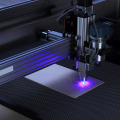
is one such innovation that has gained immense popularity due to its precision and efficiency. Utilizing high-powered lasers to vaporize material, this method allows for intricate designs to be etched onto a variety of surfaces, including metals, glass, wood, and even plastics.The advent of chemical etching further revolutionized the process by enabling quicker and more detailed engravings without the manual labor associated with traditional methods. The tools used in each etching technique vary significantly, reflecting the evolution of the craft. Traditional engravers often rely on burins, sharp tools designed for incising lines into metal plates. In contrast, modern engravers may use sophisticated laser engravers that can execute complex designs with unparalleled accuracy. Each tool serves a specific purpose, from creating delicate lines to achieving bold contrasts in design. Practical examples of projects utilizing etching span various materials and applications.
For instance, in metalworking, artisans often create custom jewelry pieces or decorative plaques through etching, allowing for personalized gifts or commemorative items. Glass etching is popular for creating bespoke drinkware or decorative panels that add elegance to any setting. Woodworkers may incorporate etching into furniture design, providing unique branding options or intricate patterns that enhance aesthetic appeal. Additionally, plastics are increasingly being etched for functional purposes, such as labels or signage. The rise of custom engraving services has further expanded the possibilities within etching. For instance, in metalworking, artisans often create custom jewelry pieces or decorative plaques through etching, allowing for personalized gifts or commemorative items. Glass etching is popular for creating bespoke drinkware or decorative panels that add elegance to any setting. Woodworkers may incorporate etching into furniture design, providing unique branding options or intricate patterns that enhance aesthetic appeal. Additionally, plastics are increasingly being etched for functional purposes, such as labels or signage. The rise of custom engraving services has further expanded the possibilities within etching.
These services cater to specific design needs, offering tailored solutions that allow customers to bring their creative visions to life. From personalized gifts to industrial applications, custom etching serves a diverse clientele looking to make a statement. For beginners interested in starting with etching, there are several tips to consider for effective engagement with this technique. First, familiarize yourself with the necessary tools and materials—experimenting with different surfaces can yield varied results that enhance your skills. Additionally, practicing basic techniques like line work and shading will help develop your hand control and artistic eye. Despite its allure, there are potential challenges and misconceptions surrounding etching.
Some beginners may believe that achieving fine details requires years of experience; however, many experienced engravers emphasize that practice is key to mastering this art form. Furthermore, understanding safety precautions when working with chemicals or lasers is crucial for ensuring a safe etching experience. In conclusion, etching remains an integral technique within engraving, merging traditional artistry with modern innovation. By exploring its various methods—from time-honored practices like intaglio to cutting-edge laser applications—artists can harness the versatility of etching across multiple materials and projects. Whether you are a seasoned engraver or just beginning your journey into this fascinating world, there is much to discover within the realm of etching.
Modern Etching Technologies
In recent years, etching has evolved significantly, thanks to advancements in technology.Two prominent methods that have emerged are laser engravinglaser engraving and chemical etching. These modern techniques not only enhance precision but also expand the possibilities of what can be achieved in the realm of engraving.
Laser engraving
utilizes highly focused laser beams to engrave designs onto various materials, including metal, glass, and plastics. This method offers unparalleled accuracy and allows for intricate designs that were once challenging to achieve with traditional techniques. The versatility of laser engraving means that artists and manufacturers can create detailed patterns, logos, and even photographs with remarkable detail. On the other hand, chemical etching is a process that involves using corrosive substances to remove material from a surface.This technique is particularly useful for creating fine details and complex textures on metals. By applying a resist to protect certain areas of the material, artists can achieve a wide range of effects, from deep grooves to delicate lines. The ability to create custom designs quickly and efficiently makes chemical etching an invaluable tool in both artistic and industrial applications. These modern etching technologies not only improve efficiency but also open up new avenues for creativity. As we continue to explore the applications of etching in engraving, it becomes clear that these advancements are redefining what is possible in the field.
Traditional Etching Techniques
Etching, a pivotal technique within the realm of engraving, has a rich history that dates back to the 15th century.This method involves the use of acid to create designs on metal plates, allowing artists to produce intricate and detailed images. One of the classic methods of etching is intaglio, where the design is incised into a surface, creating grooves that hold ink. This technique not only adds depth to the artwork but also enhances its tactile quality. The artistic significance of traditional etching techniques lies in their ability to capture fine details and textures that other methods may struggle to reproduce. Artists like Rembrandt and Goya utilized intaglio etching to convey emotion and narrative in their prints, showcasing the profound impact this technique can have on visual storytelling. Moreover, the process of etching allows for an element of surprise; as artists work on their plates, they often discover unexpected outcomes that can lead to unique artistic expressions.
The combination of skillful planning and spontaneous creativity makes traditional etching a fascinating field within engraving. In contemporary practice, many artists still honor these classic techniques while also experimenting with modern innovations. This blending of old and new not only preserves the legacy of traditional etching but also expands its possibilities, ensuring that this art form continues to evolve.
Tools of the Trade
Etching, as a significant technique within the realm of engraving, relies on a variety of essential tools that facilitate both traditional and modern practices. Understanding these tools is crucial for anyone looking to explore the depth of this art form.Traditional Etching Tools
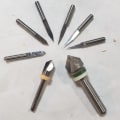
include a range of specialized instruments that have been used for centuries. The primary tool is the etching needle, a sharp, pointed instrument used to draw designs onto a coated metal plate.This is often followed by the use of grounds, which are acid-resistant materials applied to the plate to protect areas that should not be etched. Common types of grounds include wax and asphaltum. Once the design is engraved into the ground, the plate is submerged in a bath of acid, which etches the exposed areas. After this process, burnishing tools are utilized to smooth out the plate's surface, enhancing the final print quality.
Modern Etching Tools
have evolved significantly, incorporating advanced technologies. For example, laser etching machines allow for precise designs without the need for traditional acids or grounds.These machines utilize focused laser beams to engrave intricate patterns on various materials, including metal, glass, and even wood. In addition to lasers, modern etchers might also use etching presses, which provide consistent pressure during printing, ensuring high-quality results. These presses can accommodate various plate sizes and materials, expanding creative possibilities. Understanding these tools—both traditional and modern—provides insight into how etching techniques can be adapted and utilized across different artistic mediums.
Starting with Etching: Tips for Beginners
For those new to the art of engraving, etching offers a fascinating entry point. This technique allows artists to create intricate designs on various surfaces by using acid or other chemical processes. Understanding the basics of etching can help beginners harness its potential and produce stunning works of art. First, familiarize yourself with the essential tools and materials needed for etching.A typical setup includes a metal plate, an etching needle, acid-resistant ground, and an acid bath. Each element plays a crucial role in the etching process, so investing in quality materials is vital for achieving the best results. Next, practice your drawing skills on paper before transferring designs to the metal plate. Start with simple shapes or patterns to build your confidence. Once you feel comfortable, use the etching needle to scratch your design into the ground on the plate.
The deeper the lines, the more pronounced the final print will be. After your design is complete, it’s time to immerse the plate in an acid bath. The duration of exposure will depend on the depth of your etching and the type of metal used. Always take proper safety precautions when working with acids, including gloves and eye protection. Once the etching is done, clean the plate and apply ink to highlight your design. Finally, use a printing press or hand-burnishing method to transfer your image onto paper.
Experiment with different papers and inks to see how they interact with your etched design. As you grow more comfortable with etching, don’t hesitate to explore advanced techniques such as aquatint or soft ground etching. Each method offers unique effects and can expand your artistic repertoire significantly. Remember, practice is key in mastering any engraving technique, including etching. Take your time and enjoy the creative journey!
Applications Across Materials
Etching is a versatile technique that can be applied to a variety of materials, each yielding unique results that enhance the aesthetic and functional qualities of the medium. In this section, we will explore how etching can be effectively utilized in metal, glass, wood, and more. When it comes to metal, etching is often used to create intricate designs on surfaces such as copper, brass, and aluminum.The process involves using an acid or a chemical solution to selectively remove material, allowing artisans to produce detailed images, text, or patterns. This technique is widely employed in the production of jewelry, where artists can achieve finely detailed engravings that are both beautiful and durable. In the realm of glass, etching offers a way to achieve stunning decorative effects. Artists use techniques such as sandblasting or acid etching to create frosted patterns on glass surfaces. This method not only enhances the visual appeal of glassware and mirrors but also provides privacy in architectural applications without compromising light flow.
Wood
is another material where etching can shine.Using a laser engraver, artisans can etch intricate designs into wooden surfaces, allowing for personalized items such as cutting boards, signs, and decorative art pieces. This technique highlights the natural grain of the wood while adding a layer of sophistication and uniqueness. Additionally, etching can be applied to other materials like ceramics and stone. In ceramics, etching allows for the creation of custom patterns on plates and tiles, often used in home decor. Stone etching can result in beautiful memorials or decorative features in architecture. Overall, the applications of etching across these various materials demonstrate its versatility and enduring appeal in both artistic and industrial contexts.
The unique results achievable through etching continue to inspire creators and captivate audiences worldwide. In conclusion, the versatility and importance of etching in the world of engraving cannot be overstated. As we have explored, etching serves as a bridge between traditional craftsmanship and modern technological advancements, making it a vital technique for artists and industry professionals alike. From its historical roots to contemporary applications, etching offers unique possibilities for creative expression and practical uses. We encourage readers to delve into both traditional and modern methods of etching, tailoring their exploration based on personal interests and project requirements. Whether you are an artist seeking to create intricate designs or a professional looking to apply etching in industrial contexts, this technique holds a valuable place in the expansive field of engraving. Ultimately, etching is more than just a method; it is a gateway to innovation and creativity that continues to inspire new generations of engravers.