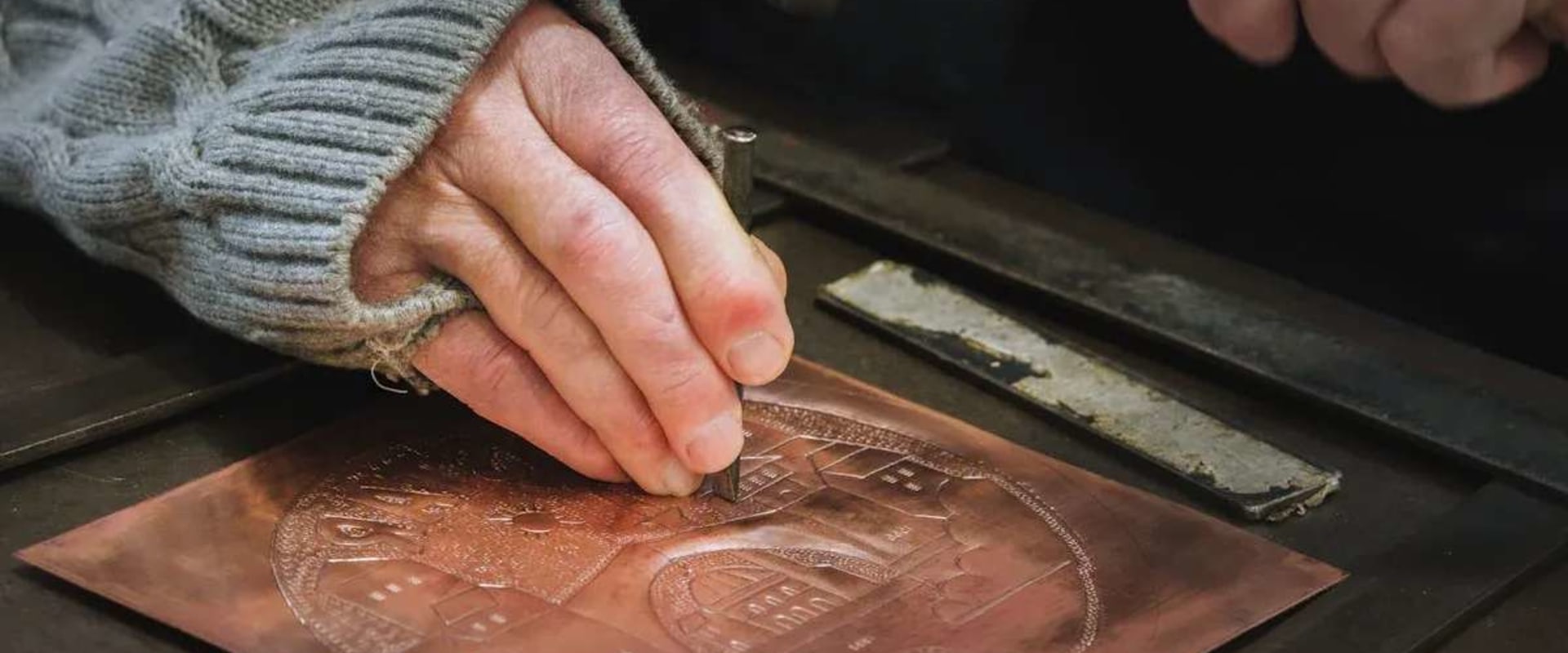
In the world of metal engravings, the artistry and precision of the engraver are only part of the equation. The finishing options available can dramatically influence not only the visual appeal but also the durability and functionality of the final product. Whether you're creating a bespoke piece for a client or personalizing an item for yourself, understanding these finishing options is crucial to achieving the desired effect. With a myriad of techniques and materials at your disposal, from polishing and anodizing to painting and coating, each finishing option offers unique characteristics that can enhance your metal engravings in distinct ways. As we explore these various finishing options for metal engravings, we invite you to consider how each method can elevate your work, highlighting details that might otherwise go unnoticed. This article will guide you through the diverse landscape of finishing techniques, providing insights into their applications and benefits.
By the end, you'll be equipped with the knowledge to make informed decisions that will not only enhance your projects but also inspire your creativity. Let’s delve into the world of finishing options for metal engravings and discover how they can transform your artistic vision into reality. When it comes to finishing options for metal engravings, the choices available can significantly impact both the visual appeal and durability of the final product. Finishing techniques not only enhance the aesthetic qualities of engravings but also provide essential protection against wear and corrosion. This is especially important for projects that require longevity, as well as those that need to withstand various environmental factors.
Understanding the different finishing options is crucial for selecting the best method tailored to specific design preferences and functional requirements. One of the most traditional methods of finishing metal engravings is polishing. This technique involves buffing the surface of the metal to create a smooth, reflective finish. Polishing is particularly effective on metals such as brass and stainless steel, where a bright, shiny appearance is desired. The benefits of polishing include enhancing the engraved details and providing a protective layer that can help resist tarnishing.
However, it is important to note that polished surfaces may require regular maintenance to retain their luster. Another classic finishing technique is the application of a patina. Patinas are chemical treatments applied to the surface of metals, resulting in a unique coloration that can range from greenish blues to deep browns. This method is often used on copper and bronze engravings, as it adds depth and character to the design. The application of patina not only enhances aesthetic appeal but also provides a layer of protection against oxidation.
Artists often favor this method for projects where a rustic or aged appearance is sought.
Anodizing
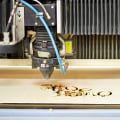
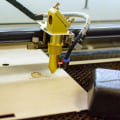
is a modern finishing technique primarily used for aluminum engravings. This electrochemical process creates a durable oxide layer on the surface, which can be dyed in various colors. Anodized surfaces are highly resistant to scratching and corrosion, making them suitable for both decorative and functional applications. The versatility of anodizing allows for intricate designs to be showcased while providing a long-lasting finish. In recent years, advances in technology have introduced new finishing options such as powder coating.This process involves applying a dry powder that is then heated to create a hard protective layer over the metal surface. Powder coating offers an extensive range of colors and finishes, making it ideal for custom projects where specific branding or design elements are required. Additionally, powder-coated surfaces are highly resistant to fading, chipping, and scratching, making them an excellent choice for outdoor applications. Another innovative option in the realm of finishing is laser engravinglaser engraving, which not only serves as a method for creating detailed designs but also acts as a finishing technique in itself. Laser engraving can create contrasting finishes by removing the top layer of material, exposing different colors beneath.
This method allows for precision work and can be applied to various metals, including stainless steel and aluminum. The benefit of laser engraving lies in its ability to produce intricate designs quickly and with high accuracy. When selecting a finishing option, several factors must be considered. The type of metal being engraved plays a significant role in determining which methods are suitable. For instance, softer metals like brass may benefit more from polishing or patina application, while harder metals like stainless steel may require more robust finishes like anodizing or powder coating.
Additionally, the intended use of the final product should guide your decision; items meant for outdoor use will require more durable finishes compared to those intended for indoor display. Beginners should also be aware of potential challenges when choosing finishes. Some methods may require specialized equipment or materials that could be difficult to source. For example, anodizing requires an understanding of electrical processes, while powder coating necessitates access to curing ovens. It is also essential to consider drying times and curing processes, as these can affect project timelines. There are common misconceptions about engraving finishes.
Many believe that all finishes will provide equal protection or that certain finishes are universally applicable across all metals. In reality, each technique has its strengths and weaknesses, making it imperative to conduct thorough research before committing to a particular method. Consulting with professionals in the field can provide valuable insights; many experienced engravers emphasize the importance of understanding material properties and finish compatibility. In conclusion, the world of finishing options for metal engravings is diverse and multifaceted, offering traditional methods alongside modern innovations. Each technique presents unique benefits tailored to different applications and design preferences.
By carefully considering factors such as metal type, intended use, and potential challenges, you can select the best finishing option that will not only enhance your engraving but also ensure its longevity.
Choosing the Right Finish
When it comes to finishing options for metal engravings, selecting the right finish is crucial for achieving the desired look and functionality. Various factors influence this decision, including the type of metal being used and the intended application of the engraving. Different metals, such as aluminum, brass, and stainless steel, respond uniquely to various finishing techniques. For instance, aluminum may benefit from anodizing or polishing to enhance its aesthetic appeal and resistance to corrosion, while brass often looks stunning with a brushed or patina finish that highlights its warm tones. Moreover, the intended use of the engraved item plays a significant role in choosing the finish. Items that will be exposed to harsh environments, such as outdoor signage or industrial parts, may require more robust finishes like powder coating or plating to ensure longevity and durability.Conversely, decorative items intended for indoor display might prioritize aesthetic qualities over durability, making options like clear lacquering or oiling more suitable. Ultimately, understanding the characteristics of the metal and considering the specific use case will guide you in selecting the most appropriate finishing option for your metal engravings.
Applications of Engraving Finishes
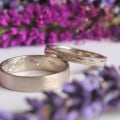
Engraving finishes play a crucial role across various industries, enhancing both the functionality and aesthetic appeal of metal engravings. By understanding the specific applications of these finishes, we can appreciate their importance in fields such as jewelry making, industrial applications, and art. In jewelry making, finishes like polishing and anodizing are commonly used to create a smooth and reflective surface on engraved pieces. These finishes not only enhance the visual appeal of jewelry items but also protect them from tarnishing and wear over time. Different textures and sheens can be applied to suit individual preferences, making each piece unique. Within industrial applications, engraving finishes are essential for functional purposes.For instance, matte finishes are often employed for parts that require reduced glare, while hard coatings may be applied to enhance durability against harsh environments. These finishes help ensure that engraved markings on tools, machinery, and equipment remain legible and intact, which is critical for safety and efficiency. In the realm of art, finishes can dramatically influence the presentation of engraved artworks. Artists often experiment with various techniques such as patinas or textured finishes to create depth and dimension in their pieces. The choice of finish can evoke different emotions and responses from viewers, highlighting the artistic intent behind the engraving. Overall, the diverse applications of engraving finishes underscore their significance in enhancing both the beauty and functionality of metal engravings across multiple industries.
Traditional Finishing Techniques
Traditional finishing techniques play a crucial role in enhancing the visual appeal and longevity of metal engravings.These methods have been used for centuries and continue to be popular due to their effectiveness and the unique character they impart to the finished product. One of the most common techniques is polishing. This process involves using abrasives to smooth the surface of the metal, resulting in a shiny, reflective finish. Polishing not only improves aesthetics but also helps protect the engraving from corrosion and wear. Various tools, such as polishing wheels and compounds, can be employed to achieve different levels of shine. Another technique often used is chemical treatments.
These involve applying specific chemicals to the metal surface to enhance its properties. For example, anodizing aluminum creates a protective oxide layer that increases durability while allowing for various color finishes. Chemical patinas can also be applied to create unique surface effects and color variations, adding depth to the engraving. Lastly, hand-finishing methods are integral for achieving intricate details and personalized touches. Techniques such as hand sanding or using specialized tools like gravers allow artisans to refine their work meticulously.
Hand-finishing can highlight specific design elements, ensuring that each piece of metal engraving has a unique character that reflects the artist's vision. In summary, traditional finishing techniques like polishing, chemical treatments, and hand-finishing methods are essential for enhancing both the beauty and durability of metal engravings. By employing these techniques, engravers can cater to diverse aesthetic preferences and ensure that their work stands the test of time.
Modern Finishing Technologies
In the realm of metal engravings, modern finishing technologies have revolutionized the way engravings are produced and enhanced. Two significant advancements in this field are laser engraving and powder coating. These techniques not only improve the aesthetic appeal of metal engravings but also increase their durability and resistance to wear.Laser engraving
employs a focused laser beam to etch designs onto metal surfaces with remarkable precision.This method offers several benefits, including the ability to create intricate details that would be challenging to achieve with traditional engraving techniques. Additionally, laser engraving is a non-contact process, which means that there is minimal risk of damaging the material. The results are often cleaner and more defined, leading to sharp, high-quality finishes that can significantly enhance the visual impact of the engraved design. On the other hand, powder coating is a finishing option that involves applying a dry powder to metal surfaces, which is then cured under heat to form a hard finish. This method provides an excellent protective layer that is resistant to chipping, scratching, and fading.
Furthermore, powder coating is available in a wide variety of colors and textures, allowing for greater customization of engraved pieces. The combination of powder coating with engraving can create stunning visual contrasts and enhance the overall appeal of the final product. Overall, the adoption of modern finishing technologies like laser engraving and powder coating has opened new avenues for creativity and innovation in the field of metal engravings, ensuring that artists and manufacturers can meet diverse design preferences and functional requirements.
Tips for Beginners
Getting started with finishing options for metal engravings can be both exciting and challenging. Here are some practical tips to help beginners navigate the world of engraving and finishing techniques.Understand Your Materials:
Before diving into engraving, it’s essential to familiarize yourself with the type of metal you’re working with. Different metals, such as aluminum, brass, and stainless steel, respond uniquely to engraving and finishing techniques.Research the properties of your chosen material to make informed decisions.
Start with Simple Designs:
As a beginner, it’s advisable to start with simple designs. This will allow you to practice your engraving skills without becoming overwhelmed. Focus on mastering basic shapes and lettering before attempting more intricate patterns.Experiment with Different Finishing Techniques:
There are various finishing options for metal engravings, such as polishing, anodizing, or applying a protective coating. Try out different methods on scrap pieces of metal to see how each technique affects the overall look and feel of your work.Invest in Quality Tools:
The tools you use can significantly impact the outcome of your engravings.Invest in quality engraving tools and finishing supplies that will help you achieve professional results. A good set of tools can make the process smoother and more enjoyable.
Practice Patience:
Engraving is an art that requires patience and precision. Take your time while working on your projects, and don’t rush the process. Allowing yourself enough time to focus will lead to better results and a more satisfying experience.Seek Feedback:
Don’t hesitate to seek feedback from more experienced engravers.Join online forums or local groups where you can share your work and receive constructive criticism. Learning from others can accelerate your growth and improve your skills.
Document Your Process:
Keeping a journal of your engraving projects can be incredibly helpful. Document the techniques you used, the challenges you faced, and what worked well. This will serve as a valuable reference for future projects and help you track your progress over time. By following these tips, beginners can build a strong foundation in metal engraving and explore the exciting possibilities that various finishing options offer. In conclusion, the choice of finishing options is crucial for enhancing metal engravings, as it directly impacts both the visual appeal and the longevity of the design.Each technique offers unique characteristics that can elevate an engraving from ordinary to extraordinary. By understanding the various finishing techniques available, engravers can better cater to the specific needs of their projects and personal styles. We encourage readers to embrace experimentation with different finishes, as this not only fosters creativity but also aids in skill development. Finding your unique style is an integral part of the engraving journey, and with practice, you can master the art of finishing to create stunning pieces that stand out.