In the realm of engraving techniques, the versatility of materials plays a pivotal role in achieving stunning results. Among these materials, glass and acrylic stand out for their unique properties and aesthetic appeal. Whether you are a seasoned engraver or a curious beginner, understanding the intricacies of engraving on glass and acrylic materials can open up a world of creative possibilities. Imagine transforming a simple piece of glass into a work of art, or customizing an acrylic item to make it truly one-of-a-kind. With advancements in engraving technology and a variety of techniques at your disposal, the potential for personal expression is limitless.
From intricate designs to bold statements, the outcomes can be as varied as the imaginations behind them. This article delves deep into the various engraving techniques and applications specific to glass and acrylic, guiding you through the processes, tools, and tips needed to master this craft. Whether it’s for creating personalized gifts, signage, or decorative pieces, we’ll explore how to achieve impeccable results on these fascinating materials. Join us as we uncover the secrets of engraving on glass and acrylic, unlocking your creativity and enhancing your skills in this rewarding art form. Engraving on glass and acrylic materials has gained immense popularity due to its versatility and ability to create stunning custom designs. These materials are used in various applications, including awards, decorative items, and personalized gifts. The appeal of creating custom designs is evident in the personal touch they bring, making them perfect for special occasions and memorable events. Traditional engraving methods, such as sandblasting and hand engraving, have been used for centuries to create intricate designs on glass and acrylic.
Sandblasting involves using a high-pressure stream of abrasive material to carve or etch the surface. The process requires a sandblasting cabinet, a compressor, and a variety of nozzles to achieve different effects. Hand engraving, on the other hand, involves using specialized tools like gravers or burins to manually cut into the material. This method demands a high level of skill and precision but allows for detailed and personalized designs. The results of traditional engraving techniques can be stunning, with deep, textured surfaces that catch the light beautifully.
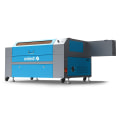
However, these methods can be time-consuming and require significant practice to master. As technology has advanced, modern engraving techniques have emerged, offering new ways to work with glass and acrylic.Laser engravingLaser engraving is one such modern technique that has revolutionized the engraving process. This method uses a high-powered laser beam to etch designs onto the surface of the material. The technology behind laser engraving allows for remarkable precision, making it possible to create extremely detailed designs that would be challenging with traditional methods.
Additionally, laser engraving is faster and more efficient, enabling users to complete projects in a fraction of the time. For beginners looking to choose the right technique based on their project needs, it’s essential to consider factors such as design complexity, time constraints, and available tools. For simpler projects or personalized gifts, hand engraving may suffice, while more intricate designs or larger production runs would benefit from laser engraving. It's also important to consider the material thickness and type since some methods may not be suitable for all glass or acrylic varieties. Design ideas for engraving on glass and acrylic can vary widely. Popular options include personalized gifts like engraved photo frames or custom drinkware featuring names or special dates.
Artistic pieces can range from abstract patterns to detailed illustrations that enhance the aesthetic appeal of home decor items. For corporate applications, engraved awards and trophies featuring company logos or achievements are highly sought after. However, there are potential challenges when engaging in engraving on glass and acrylic materials. Common mistakes include improper settings on laser machines leading to burned edges or inadequate depth of engraving with traditional tools. To avoid these issues, it’s crucial to conduct thorough testing on scrap materials before starting a project.
Additionally, ensuring proper ventilation when using sandblasting or laser techniques is essential for safety. The applications of glass and acrylic engravingglass and acrylic engraving span various industries. In awards and trophies, precision engraving enhances the prestige of recognition items. Signage benefits from clear and durable engravings that stand out in commercial settings. Home decor items such as engraved vases or wall art add a personal touch to living spaces.
Furthermore, promotional products featuring company logos attract attention at events and trade shows. In conclusion, whether opting for traditional methods like sandblasting and hand engraving or embracing modern techniques like laser engraving, the world of engraving on glass and acrylic materials offers endless possibilities for creativity and personalization. Understanding the strengths of each technique will empower artisans and hobbyists alike to bring their visions to life while avoiding common pitfalls in the process.
Design Ideas for Engraving
When it comes to engraving on glass and acrylic materials, the possibilities for personalization are virtually limitless. Here are some creative suggestions to inspire your next project:1.Customized Awards and Trophies: Engraving names, dates, and achievements on awards makes them more meaningful. Consider adding logos or images that represent the recipient's accomplishments.2.Personalized Gifts:
Items like photo frames, vases, or coasters can be beautifully enhanced with engraved messages, quotes, or significant dates.This adds a personal touch that recipients will cherish.
3.Decorative Home Items:
Glass and acrylic can be used to create stunning wall art or table centerpieces. Engrave intricate designs or patterns that match your home decor style.4.Wedding and Event Favors:
Engraved glassware or acrylic keepsakes can serve as memorable favors for guests. Including the couple's names and wedding date makes these items special.5.Business Branding:
Companies can use engraved glass awards or acrylic signage to promote their brand. Incorporating logos and taglines into the designs reinforces brand identity.6.Inspirational Quotes:
Engraving motivational phrases on items like glass panels or acrylic blocks can serve as daily reminders of positivity and purpose.7.Unique Jewelry:
Acrylic can be transformed into stunning jewelry pieces, such as pendants and earrings, engraved with initials or meaningful symbols. By exploring these ideas, you can tap into the versatility of engraving on glass and acrylic materials, turning ordinary items into extraordinary keepsakes.Traditional Engraving Techniques
Traditional engraving techniques on glass and acrylic materials have stood the test of time, with methods like sandblasting and hand engraving being widely used for their unique results and craftsmanship.Sandblasting
, also known as abrasive blasting, is a process that involves shooting high-speed particles at the surface of the material.This technique creates a frosted effect and is ideal for intricate designs. The tools needed for sandblasting include a sandblaster, various nozzles, and a compressor to provide the necessary air pressure. One of the main advantages of sandblasting is its efficiency; it can cover large areas quickly and produce consistent results. However, the downside is that it requires specialized equipment and can be costly to set up.
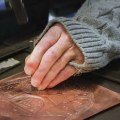
Hand engraving
, on the other hand, is a meticulous process that involves using handheld tools like gravers or chisels to carve designs directly into the surface.This technique allows for a high level of detail and personalization, making it perfect for custom pieces. The tools required for hand engraving are relatively simple and include a variety of gravers, a magnifying lamp for precision, and sometimes a rotary tool for finer details. The primary advantage of hand engraving is the artistic control it offers; artisans can create unique designs tailored to individual preferences. However, it is time-consuming and requires considerable skill and practice, which may limit its accessibility for beginners. Both sandblasting and hand engraving offer distinct benefits and challenges, making them suitable for different applications in the world of engraving on glass and acrylic materials.
Applications Across Industries
Engraving on glass and acrylic materials has found its way into various industries, thanks to its unique ability to create personalized and visually appealing products.One of the most prominent applications is in the realm of awards and recognition. Many organizations opt for engraved glass trophies and plaques to honor outstanding achievements, combining elegance with a personal touch. These awards are often customized with names, dates, and logos, making them cherished keepsakes. Another significant sector utilizing engraved glass and acrylic is the decorative arts. Artists and designers frequently turn to these materials to craft stunning pieces that enhance interior spaces.
Engraved glass panels can serve as beautiful room dividers or feature walls, while acrylic sculptures provide modern aesthetics with vibrant colors and light effects. The promotional products industry also benefits from engraving techniques. Businesses often use engraved acrylic items, such as keychains or coasters, as branded giveaways at events. These items not only serve practical purposes but also act as effective marketing tools that keep the company’s name in the spotlight. In the field of personalized gifts, engraved glass and acrylic products have gained immense popularity. Items like photo frames, ornaments, and custom drinkware are often engraved to commemorate special occasions such as weddings, anniversaries, or graduations.
This personalization adds sentimental value, making these gifts memorable. Finally, the signage industry relies heavily on engraved materials for both indoor and outdoor applications. Engraved signs made from glass or acrylic are durable and can withstand various weather conditions, making them ideal for businesses looking to showcase their brand or provide information in a stylish manner.
Modern Laser Engraving
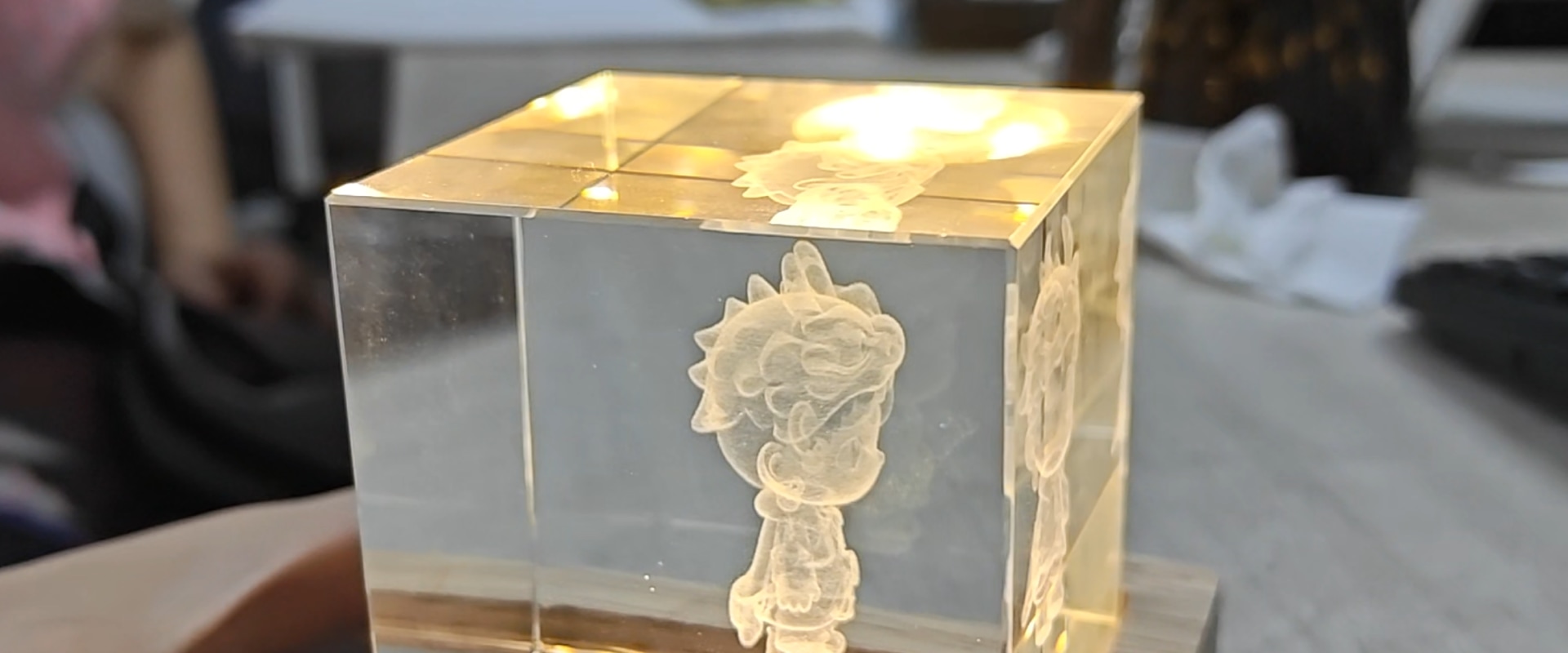
Modern laser engraving has revolutionized the way we create designs on glass and acrylic materials. Unlike traditional engraving methods, laser engraving utilizes focused beams of light to etch intricate patterns and images onto surfaces with high precision. This technology allows for the creation of highly detailed and customizable designs that are often difficult to achieve with manual techniques. The process begins with a computer-aided design (CAD) file, which is sent to the laser engraver.The machine then interprets this file and directs the laser to move across the material, vaporizing or melting away the surface layer to create the desired image or text. This method is not only efficient but also reduces the risk of damaging the material compared to other engraving techniques. One of the key benefits of laser engraving is its versatility. It can be used on a variety of glass and acrylic products, including trophies, awards, signs, and personalized gifts. Additionally, laser engravers can work with different types of glass and acrylic, allowing for various finishes, such as frosted or polished effects, depending on the project requirements. Another significant advantage is the speed and accuracy of laser engraving.
Projects that may take hours with traditional methods can often be completed in just minutes using a laser engraver. This efficiency makes it an ideal choice for businesses looking to produce large quantities of engraved items quickly. Furthermore, laser engraving provides a unique opportunity for personalization. Customers can request custom designs or text, making each piece one-of-a-kind. Whether it’s a gift for a loved one or a corporate award, the ability to customize enhances the value and appeal of the product. In summary, modern laser engraving offers a sophisticated solution for creating stunning designs on glass and acrylic materials.
Its combination of precision, speed, and customization options makes it a preferred choice for both artisans and businesses alike.
Tips for Beginners
Engraving on glass and acrylic materials can be a rewarding hobby or a professional pursuit. If you're new to this craft, here are some practical tips to help you get started:1.Choose the Right Tools: Begin with quality engraving tools designed for glass and acrylic. A rotary tool with specialized bits or a laser engraver can produce precise results. Familiarize yourself with the functions of your tools before diving into your projects.2.Select Your Material Wisely:
When starting, choose clear or frosted glass and acrylic sheets that are easy to work with.These materials allow for better visibility of your designs and make it easier to correct any mistakes.
3.Practice Your Techniques:
Before working on your final piece, practice on scrap pieces of glass or acrylic. Experiment with different techniques such as deep engraving, surface etching, and sandblasting to find what works best for you.4.Create a Template:
Designing a template can greatly enhance the accuracy of your engraving. Use software to create your design, then print it out. You can adhere the template to the material using low-tack tape to guide your engraving.5.Work Slowly and Steadily:
Engraving requires patience.Take your time with each stroke, especially when working on intricate designs. Rushing can lead to errors, so focus on precision over speed.
6.Safety First:
Always wear safety glasses and a dust mask when engraving to protect yourself from glass shards and acrylic dust. Ensure you work in a well-ventilated area to avoid inhaling harmful particles.7.Finish Your Piece:
After completing your engraving, consider polishing the edges of your glass or acrylic to remove any sharp edges and enhance the appearance of your work. A gentle buffing with a soft cloth can also bring out the shine in your engraved design. By following these tips, beginners can develop their skills and create beautiful engraved pieces that showcase their creativity and craftsmanship. In conclusion, this article has explored the various engraving techniques and applications on glass and acrylic materials.We have highlighted the enduring popularity of these materials in creating stunning awards, decorative items, and personalized gifts, showcasing their versatility in both personal and professional settings. The discussion included insights into traditional engraving techniques, the advancements in modern laser engraving, and a plethora of design ideas for engraving.Furthermore, we examined the diverse applications across different industries, demonstrating how these techniques can be tailored to suit specific needs and preferences. For beginners, practical tips were provided to help navigate the exciting world of engraving. We encourage readers to unleash their creativity by experimenting with various engraving methods and to consider utilizing custom engraving services for their unique projects. Whether for personal enjoyment or professional endeavors, the possibilities with .Furthermore, we examined the diverse applications across different industries, demonstrating how these techniques can be tailored to suit specific needs and preferences. For beginners, practical tips were provided to help navigate the exciting world of engraving. We encourage readers to unleash their creativity by experimenting with various engraving methods and to consider utilizing custom engraving services for their unique projects. Whether for personal enjoyment or professional endeavors, the possibilities with glass and acrylic engraving are truly limitless.