Engraving has long been celebrated as a captivating form of artistic expression, with wooden engravings standing out for their unique blend of warmth and texture. However, the beauty of these creations can be fleeting if not properly preserved and finished.
Preserving and finishing wooden engravings
is not merely a step in the crafting process; it is an essential practice that ensures your artwork remains vibrant and intact for years to come. As you embark on your engraving journey, understanding the techniques and materials involved in the preservation process is vital. Whether you are a seasoned artisan or a curious beginner, mastering these skills will enhance the longevity of your work, allowing you to share your passion with future generations.In this article, we will explore effective techniques and invaluable tips that will empower you to safeguard your wooden engravings against the ravages of time. From selecting the right finishes to employing protective coatings, every choice you make plays a crucial role in maintaining the integrity of your work. So grab your tools and prepare to dive deep into the world of wooden engravings, as we unveil the secrets to achieving stunning results that not only captivate the eye but also stand the test of time. Let’s explore how proper care can elevate your craftsmanship and ensure that your artistic legacy endures!Wooden engraving is a fascinating art form that combines creativity with craftsmanship, resulting in unique pieces that can range from functional to purely decorative. As the popularity of wooden engravings continues to grow, understanding the various techniques and methods available becomes essential for both hobbyists and professionals alike.
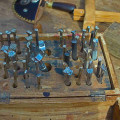
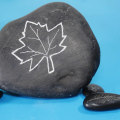
Whether you are drawn to the traditional feel of hand engraving or the precision of laser technology, each method offers distinctive advantages and challenges. One of the most traditional forms of engraving is hand engraving, which involves using sharp tools like chisels and burins to carve designs directly into the wood surface. This technique requires a steady hand and a keen eye for detail, making it ideal for artisans who appreciate the tactile nature of their work. Projects can include intricate designs on wooden coasters, decorative plaques, or personalized gifts that showcase skill and artistry. Another popular method is rotary engraving, which utilizes power tools such as Dremels to achieve a higher degree of speed and efficiency compared to hand engraving. This technique allows for greater versatility in design options, making it suitable for larger projects like furniture or signage.
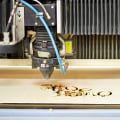
With rotary engraving, artists can create bold, deep cuts or fine details depending on the bit used. Beginners might start with simpler projects like engraved picture frames or keychains to practice their skills. The third technique gaining traction in modern woodworking is laser engraving. This method employs high-powered lasers to etch designs onto wood with remarkable precision. It's particularly advantageous for producing highly detailed images or text that would be challenging to achieve by hand.
Laser machines can handle intricate patterns and replicate designs consistently, making them a favorite among businesses offering customized items. Examples of laser engraving projects include bespoke trophies, custom cutting boards, or artistic wall hangings that reflect personal styles. Choosing the right type of wood for engraving is critical to achieving the desired outcome. Factors such as grain, hardness, and finish play a significant role in how well the engraving will turn out. Softer woods like pine are easier to carve but may not hold fine details as well as harder varieties like oak or maple.
Woods with pronounced grain patterns can add visual interest to engravings, but they may also complicate fine detail work, so it's essential to test your designs on different materials before committing. Once the engraving process is complete, preserving the artwork is paramount to ensure longevity. Various preservation methods exist, including applying sealants, oils, and varnishes that protect against moisture and UV damage. Sealants provide a clear barrier that maintains the integrity of the wood while enhancing its natural beauty. Oils can nourish the wood and deepen its color, while varnishes offer a glossy finish that highlights engraved details. The finishing processes also significantly impact the overall appearance of wooden engravings.
Sanding is crucial for smoothing out any rough edges left from carving and preparing the surface for staining or sealing. Staining can enhance the wood's natural hue or add a new color altogether, allowing for creative expression beyond the engraving itself. Finally, applying a clear coat not only protects the surface but also elevates the visual appeal by adding depth and shine. For beginners looking to start their first wood engraving project, it's important to take a few steps to ensure success while avoiding common pitfalls. Start with a simple design that allows for practice without overwhelming complexity.
Use quality tools and materials; investing in good chisels or rotary bits will pay off in better results. Additionally, take time to plan your project thoroughly—sketching designs beforehand can save time and reduce errors during the actual engraving process. For those who prefer professional assistance, many custom engraving services are available that cater to individual needs. These services can help bring unique ideas to life while ensuring high-quality craftsmanship. From personalized gifts like engraved jewelry boxes to artistic displays for home decor, professional engravers can provide expertise that elevates any project. The applications of wood engraving extend far beyond simple aesthetics; they are often found in home decor elements, personalized gifts for special occasions, and artistic displays that capture attention.
By exploring various techniques and tools available for preserving and finishing wooden engravings, artists can create stunning pieces that reflect both personal style and technical skill.
Choosing the Right Wood
When it comes to preserving and finishing wooden engravings, selecting the appropriate type of wood is crucial for achieving the best results. Different types of wood possess unique qualities that can affect the engraving process and the final appearance of your artwork.Softwoods
, such as pine and cedar, are often favored by beginners due to their ease of carving. They are lightweight and can be engraved with relative ease, making them ideal for intricate designs. However, softwoods may not hold detail as well as hardwoods, leading to a less defined finish.Hardwoods
, including oak, maple, and walnut, are typically more durable and can provide sharper details in engravings.These woods are denser and require more effort to carve, but they offer a finer finish and greater longevity. For example, walnut is prized for its rich color and grain patterns, adding depth to your finished piece. Another excellent choice for engraving is birch, which is known for its smooth surface and consistent grain. It accepts finishes well and can be stained or painted to enhance the final look.
Cherry
is also a popular option, appreciated for its warm tones and beautiful aging process that adds character over time. Ultimately, the choice of wood depends on your specific project goals and preferences.Consider factors such as grain, density, and finish compatibility when selecting wood for your engravings to ensure a stunning final product.
Applications of Wood Engraving
Wood engraving is a versatile art form that finds its application in various sectors, enhancing both functionality and aesthetics. From home decor to commercial products, wooden engravings serve numerous purposes that reflect creativity and craftsmanship. One popular application is in home decor, where wooden engravings are used to create stunning wall art, personalized nameplates, and intricate designs on furniture. These pieces not only add a touch of elegance but also tell a story about the craftsmanship behind them. In the realm of gifts and souvenirs, wooden engravings have become a cherished option. Customized items such as engraved photo frames, keychains, or keepsake boxes allow individuals to express personal sentiments, making them ideal for weddings, anniversaries, or corporate events. Another significant application is in promotional products.Businesses often use engraved wooden items as giveaways or corporate gifts. These products not only serve as effective marketing tools but also convey a message of sustainability and quality, aligning with modern consumer values. Moreover, wooden engravings are prevalent in artistic installations. Artists frequently incorporate this technique into larger projects, creating immersive experiences that engage the viewer. This can be seen in public artworks or exhibitions where wood engraving plays a crucial role in the overall aesthetic. Lastly, the educational sector utilizes wooden engravings in teaching tools.
Engraved wooden blocks or puzzles can aid in learning by providing tactile experiences that foster engagement and creativity among children. Overall, the applications of wood engraving are diverse and continually evolving, making it an invaluable craft in both artistic and practical domains.
Finishing Touches
When it comes to preserving and finishing wooden engravings, the finishing touches play a crucial role in enhancing their visual appeal and longevity. Various techniques can be employed to achieve a stunning final product that not only highlights the intricacies of the engraving but also protects the wood from environmental factors. One popular technique is the application of a clear finish, which can include varnishes, polyurethane, or lacquer. These finishes create a protective layer over the engraved surface, preventing moisture and dirt from damaging the wood while also adding a subtle sheen that enhances the overall appearance. It is essential to choose a finish that complements the type of wood used in the engraving, as each wood species reacts differently to various finishes. Another effective method is staining the wood before applying a clear coat.Stains can add depth and richness to the color of the wood, making the engraved details stand out more prominently. It is advisable to test stains on a scrap piece of the same wood to ensure the desired effect is achieved before applying it to the finished piece. For those looking to add texture, consider using oils such as Danish oil or tung oil. These oils penetrate deep into the wood, nourishing it while providing a natural finish that enhances grain patterns. This method not only beautifies the engraving but also offers a degree of water resistance. Finally, polishing can elevate your wooden engravings to another level.
A soft cloth or buffing wheel can be used with polishing compounds to bring out a high-gloss finish that captures light beautifully. This technique is especially effective for intricate engravings where light reflection can highlight fine details. In conclusion, incorporating these finishing techniques not only preserves your wooden engravings but also elevates their aesthetic appeal, making them cherished pieces in any collection.
Custom Engraving Services
For those interested in enhancing their wooden engravings, custom engraving services offer a unique opportunity to bring personal visions to life. Whether you are looking to commemorate a special occasion or create a one-of-a-kind gift, professional engravers possess the skills and tools necessary to transform your ideas into stunning wooden pieces. When considering custom engraving services, it is essential to explore various options available in the market. Many artisans specialize in different styles and techniques, ranging from traditional hand engraving to modern laser engraving methods.Each approach has its advantages, so understanding your requirements can help you choose the right service provider. Additionally, it is advisable to review the portfolios of potential engravers. This allows you to gauge their expertise and see examples of previous work that resonate with your vision. Many professionals also offer consultations, where you can discuss design ideas, materials, and budgets to ensure that the final product meets your expectations. For those seeking a more personalized touch, some custom engraving services allow clients to provide their own designs or photographs for engraving. This can result in truly unique pieces that carry significant sentimental value. In terms of pricing, custom engraving services can vary widely based on the complexity of the design, size of the piece, and the materials used.
It’s recommended to obtain quotes from multiple providers and ask about any additional costs involved, such as setup fees or material charges. In conclusion, commissioning a professional engraver can elevate your wooden engravings from ordinary to extraordinary, making them cherished keepsakes or exceptional gifts that stand out.
Preservation Techniques
Properly preserving wooden engravings is crucial to maintain their beauty and longevity. The right techniques can protect the intricate details of the engravings while ensuring they remain vibrant and visually appealing over time. Here are some essential preservation methods:1.Cleaning: Before applying any protective finishes, it’s important to clean the surface of the wooden engraving. Use a soft, dry cloth to gently wipe away dust and debris.For more stubborn dirt, a damp cloth can be used, but ensure that the wood does not become overly wet as moisture can cause damage.
2.Sealing
: To protect the engraving from moisture and environmental factors, applying a sealant is recommended. A clear wood finish, such as polyurethane or acrylic sealer, can provide a durable layer of protection. It’s essential to choose a product that is compatible with the type of wood used for the engraving.3.Finishing
: After sealing, consider adding a finishing product that enhances the wood's appearance. Oils such as tung oil or linseed oil can nourish the wood while offering some level of protection.These oils penetrate deeply into the wood fibers, helping to prevent drying and cracking.
4.UV Protection
: If the wooden engraving will be displayed in direct sunlight, using a UV-resistant finish can help prevent fading and discoloration. Look for products specifically designed to block harmful UV rays.5.Storage Conditions
: For engravings not on display, store them in a cool, dry environment away from direct sunlight. Avoid areas with high humidity or extreme temperature fluctuations, as these conditions can warp or damage the wood. By following these preservation techniques, you can ensure that your wooden engravings remain stunning for years to come, showcasing the artistry and craftsmanship involved in their creation.Tips for Beginners
Starting your journey in wooden engraving can be both exciting and daunting. To help you navigate this creative process, here are some essential tips for beginners that will set you up for success in preserving and finishing wooden engravings.1.Choose the Right Wood:
Selecting the appropriate type of wood is crucial.Softwoods like pine are easier to engrave but may not hold intricate details as well as hardwoods like maple or walnut. Consider experimenting with different types to find what works best for your style.
2.Invest in Quality Tools:
A good set of engraving tools is vital for achieving high-quality results. Look for tools that feel comfortable in your hands and are suited to your engraving technique, whether it be hand tools or rotary engravers. A good set of engraving tools is vital for achieving high-quality results. Look for tools that feel comfortable in your hands and are suited to your engraving technique, whether it be hand tools or rotary engravers.3.Practice on Scraps:
Before diving into your main project, practice on scrap pieces of wood. This will help you gain confidence and understand how different tools behave on various wood surfaces.4.Plan Your Design:
Sketch your design on paper before transferring it to the wood.Once you’re satisfied, lightly trace it onto the wood with a pencil to serve as a guide while engraving.
5.Control Your Speed:
Take your time and control the speed of your movements. Rushing can lead to mistakes, so focus on precision over speed.6.Safety First:
Always prioritize safety by wearing goggles and a dust mask to protect yourself from wood shavings and dust particles during the engraving process.7.Finishing Techniques:
Once your engraving is complete, explore various finishing techniques such as sanding, staining, or sealing the wood to enhance the appearance and durability of your work. By following these tips, novice engravers can develop their skills while enjoying the art of preserving and finishing wooden engravings. With practice and patience, you'll soon create beautiful, personalized wooden pieces that reflect your artistic vision.Engraving Techniques: Traditional vs. Modern
Wooden engraving is an art form that beautifully merges creativity and craftsmanship, offering a plethora of techniques that have evolved over the years.Two primary categories stand out in this domain: traditional hand engraving and modern laser engraving. Understanding the differences between these techniques can help artists and hobbyists choose the right approach for their projects.
Traditional hand engraving
involves using a variety of tools such as chisels, knives, and gouges to create designs directly onto the wood surface. This method requires a great deal of skill, patience, and an eye for detail. Engravers often rely on their tactile senses to feel the wood grain as they carve intricate patterns or images.Techniques such as burin engraving, which utilizes a pointed tool to create fine lines, and woodcut, where the artist carves away areas of the wood to create a relief print, are just a few examples of traditional methods that have been passed down through generations. On the other hand, modern laser engraving represents a significant leap in technology. This method uses a focused beam of light to etch designs onto wooden surfaces with precision and speed. Laser engravers can produce highly detailed images and text that would be extremely difficult to achieve by hand. Furthermore, this technique allows for greater customization options, such as varying depths and shading effects, making it particularly appealing for both commercial applications and personal projects. Each technique has its unique advantages and appeals to different audiences.
While traditional hand engraving offers a personal touch and a deep connection to the craft, modern laser engraving provides efficiency and versatility. Ultimately, the choice between these methods often comes down to the desired outcome and the engraver's level of expertise. A statistic worth noting is that according to industry reports, the market for laser engraving has seen an annual growth rate of over 15% in recent years, indicating its rising popularity among artisans and businesses alike. This trend highlights how modern technology is reshaping the landscape of wooden engraving, paving the way for new artistic expressions while still honoring traditional techniques. In conclusion, we have explored essential techniques and tips for preserving and finishing wooden engravings, highlighting the importance of understanding both traditional and modern engraving techniques. The versatility of wooden engravings allows artists and hobbyists alike to create unique pieces that reflect personal style and creativity.
By choosing the right wood and applying effective preservation techniques, you can ensure that your engravings maintain their beauty over time. Additionally, finishing touches play a crucial role in enhancing the final product, making it essential to experiment with different techniques and finishes to find what works best for you. We encourage readers to delve into the world of wooden engraving, experiment with various methods, and continuously seek improvement. Joining online communities or participating in workshops can provide valuable resources and support, further enhancing your skills as you explore this fascinating art form.